
Rigging & Equipment
Sail Types Guide: Mainsails, Jibs, Spinnakers and More
An overview of the most common sail configurations found on recreational vessels, with notes on when and why each sail type is used.
Read guide →Practical reference material for anyone getting started with recreational sailing — from reading the wind to choosing the right safety gear for lake and coastal trips in Poland.

Three practical references covering the most common questions beginners encounter when starting out on lakes or along the Polish coast.
Rigging & Equipment
An overview of the most common sail configurations found on recreational vessels, with notes on when and why each sail type is used.
Read guide →
Navigation
How basic nautical navigation works — from reading charts and understanding compass bearings to practical route planning on inland and coastal waters.
Read guide →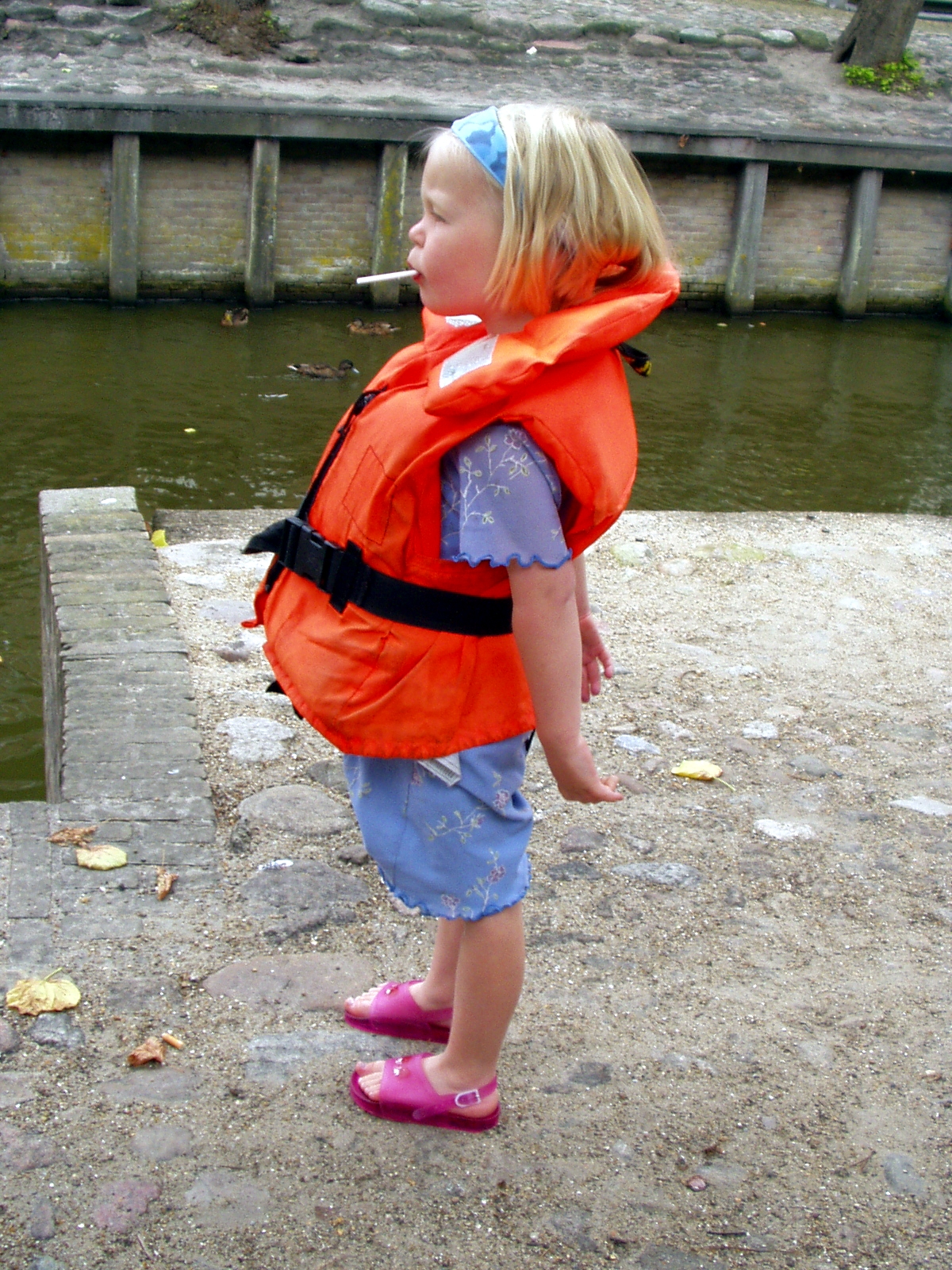
Safety
A breakdown of safety gear required and recommended for recreational boats in Poland, including life jackets, flares, fire extinguishers, and signalling devices.
Read guide →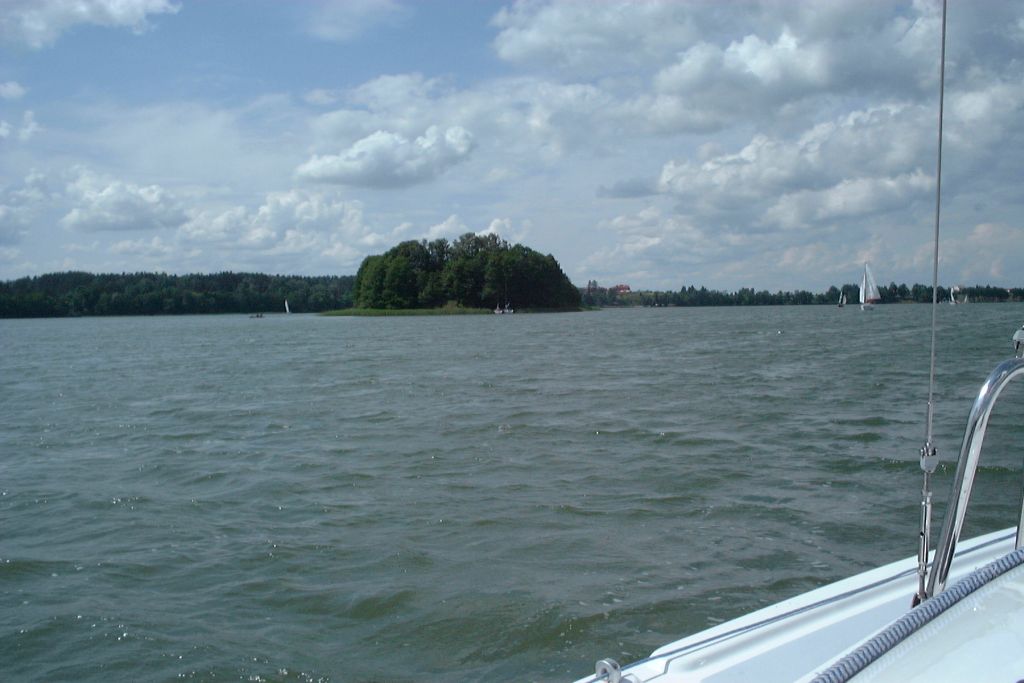
Poland offers a broad range of sailing environments. The Masurian Lake District in north-eastern Poland — centred around lakes such as Śniardwy and Mamry — is one of the most active inland sailing regions in Central Europe. Hundreds of interconnected lakes and canals are accessible to small and medium-sized keelboats and dinghies.
Along the Baltic coast, ports at Gdańsk, Gdynia, Sopot, and Szczecin serve as bases for coastal passages. The conditions there differ significantly from lake sailing: tidal variations are minimal in the Baltic, but wind patterns, ship traffic, and exposure to open sea require different preparation.
A brief overview of the practical areas covered in more detail across the guides on this site.
The most common arrangement on recreational boats is the sloop rig — a single mast with a mainsail and one headsail. Variations include the cutter (two headsails) and the ketch (two masts). Each configuration affects upwind and downwind performance.
A steering compass, nautical chart, and depth sounder are the baseline instruments for inland sailing. For coastal passages, a GPS chartplotter adds positional accuracy. VHF radio is required for vessels operating in coastal waters under Polish law.
Polish maritime regulations require a certified lifejacket for each person on board. Additional requirements depend on the vessel's length and intended waters. Boats over 5 metres operating on inland waterways must meet the Inland Navigation Technical Regulations.
Squall lines develop quickly over the Masurian lakes, particularly from the south-west in summer afternoons. The Polish Institute of Meteorology and Water Management (IMGW) issues marine and inland water forecasts. Checking conditions before departure is standard practice.
Recreational craft operators on Polish inland waters require a yachting patent — the Żeglarz Jachtowy for dinghies or the Sternik Jachtowy for keelboats. These are issued by the Polish Yachting Association (PZŻ) after passing written and practical examinations.
Poland uses the IALA Maritime Buoyage System Region A on coastal waters and the SIGNI system on inland waterways. Red buoys mark the port side of the channel when travelling upstream; green mark the starboard side. Understanding lateral and cardinal marks is foundational knowledge before navigating unfamiliar waters.
The Polish Baltic coast extends approximately 770 kilometres from the German border to the Lithuanian frontier. The waters are relatively shallow compared to the open North Sea, and tidal variation is small — typically under 10 centimetres. These characteristics make it accessible for recreational sailors, though Baltic storms can be severe and develop quickly.
The Gulf of Gdańsk is the most active area for recreational coastal sailing. The ports of Gdańsk (Marina Gdańsk), Gdynia, and Hel Peninsula offer facilities for visiting yachts. The Hel Peninsula itself, a narrow sand spit extending roughly 35 kilometres into the gulf, provides sheltered waters on its southern (Bay of Puck) side.

Questions about content on this site can be submitted below. Response times vary.
Thank you. Your information has been received.
This site does not send emails. Your submission was recorded locally.